

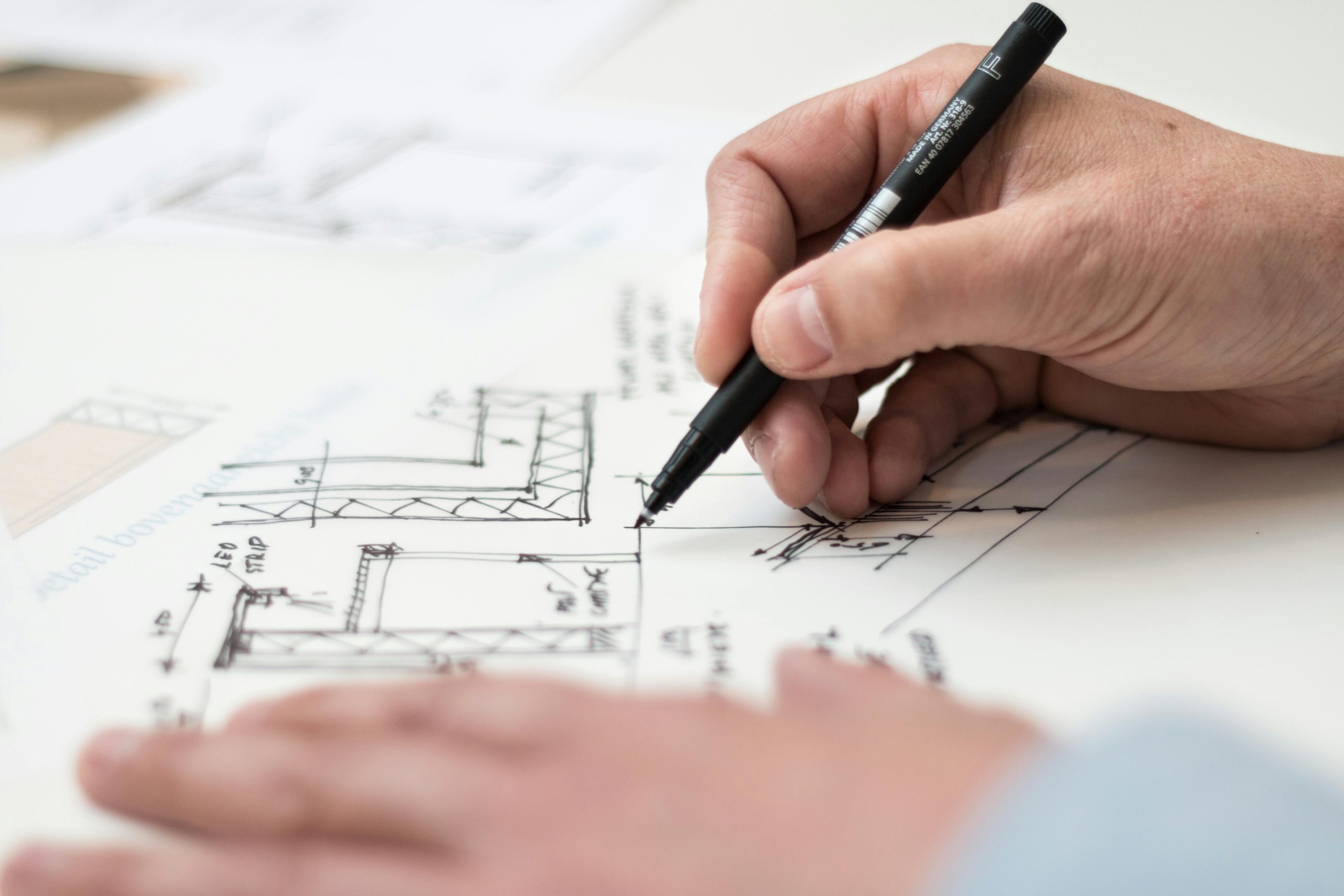
About process analysis
Process analysis examines current-state workflows, uncovers inefficiencies and handoffs, and models future-state processes that leverage digital capabilities such as workflows, automation, and analytics. The goal is to align processes with strategic outcomes—faster time, lower cost, and improved compliance. Process analysis is the essential first step before selecting or deploying digital tools because it reveals where automation and modernization will deliver the greatest ROI and prevents technology from simply digitizing an ineffective process.
How do we analyze the process?
We analyze the selected process by defining the scope and objectives, discovering and collecting data, and mapping the current state. Then we will design the future state and propose a digital transformation plan.
During the analysis and (re)design of processes, we use UML and other methods such as value stream mapping, to define and establish with you functions and requirements.
Provided services:
- Chart the process and analysis activities
- Identification of customers and customer value
- Identification of non-value added activities
- Identification of security breaches if this analysis is combined with a cybersecurity audit or search for manufacturing process, management systems improvement by including an audit
- Propose alternate solutions, including process digital transformation to replace non-value-added activities with automatic data transfer
Digital transformation plan
At the end of the analysis, we will document the results in a digital transformation plan that will contain recommendations based on the best concepts in the automotive and general industries.
The analysis is performed according to the following steps:
- Perform process analysis
- Document:
- process by flow chart and use case chart
- interface - concept
- deployment diagram
- system status chart
During analysis and optimization, we will check compatibility with main standards and regulations, which you may have implemented, like standards, customer-specific requirements, GDPR, and so on.
The process analysis is part of the business analysis process:
- Define the scope (1)
- Identify requirements (2)
- Validate requirements (3)
- Analyze and document requirements (4)
The result will be a document that contains the requirements and the future system functions.
About UML
UML means Unified Modeling Language.
UML is a standardized modeling language consisting of an integrated set of diagrams, developed to help system and software developers for specifying, visualizing and documenting software-based systems.
The UML includes several diagrams and models that support the design of different aspects of the solution. The most used are:
Use Case Diagram
The main purpose of the use-case diagram is to help development teams visualize the functional requirements of a system, including the relationship of "actors" (human beings who will interact with the system) to essential processes, as well as the relationships among different use cases.
Deployment diagram
The deployment diagram shows how a system will be physically deployed in the hardware environment. Its purpose is to show where the different components of the system will physically run and how they will communicate with each other.
Class Diagram
The class diagram shows how the different entities (people, things, and data) relate to each other; in other words, it shows the static structures of the system.
State Diagram
This diagram defines the permitted states and transitions as well as the events that effect these transitions for a system.
Noţiuni despre limbajul UML în limba română aici.